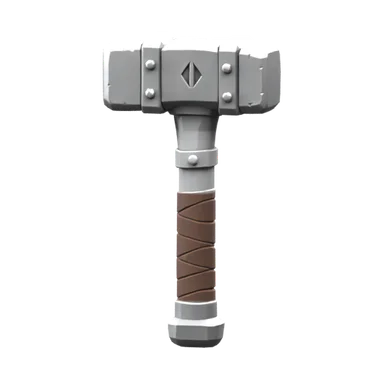
Novice Hammer
COMMON
10 Physical Damage
Strike
Paladin Skill: Censure
Paladin Skill: Smite

Published 2.0.1 · By JarlBrak
Protect allies with Guard and Cleansing March, use Censure and Smite with eligible hammers, and collect six equipment families through ordinary routes and the shared Equipment Exchange.
Framework >=1.8.0 <2.0.0. Published platforms: windows, macos, linux. Dependencies: none.
Package ftkmf.paladin · 75.2 MiB
SHA-256: 5400e2cd0c6d0822e2d6ca88bdf7529e026fbba91a7f97adca8909ec7384e464
Paladin is a Vitality-based protector who starts with a Novice Hammer and Novice Aegis. Guard spends a turn protecting another living ally from qualifying direct attacks. Its neutral profile reduces the guarded damage by 50%, and one qualifying lethal hit can be prevented per combat. Cleansing March prevents new Poison and Curse while exploring; it does not remove existing conditions or block combat ailments.
With framework 1.7.1 or later, the protected ally’s native buff/debuff status row shows a Guarded shield while Guard is active. Hover the shield to read what protection is in effect. It disappears when Guard expires, the guardian is incapacitated, the protected ally is lost, or combat ends.
Censure and Smite belong to the Paladin class. They appear while you equip an eligible hammer, including Paladin hammers and the supported native Smith, Toy, War, Ice, Great, Royal, Heavy and paired Hammers. Maces, axes, clubs and unrelated blunt weapons do not qualify. An equipped trinket does not unlock either action. Other classes can wield a Paladin hammer without receiving the Paladin’s class actions.
Every Paladin hammer keeps the ordinary single-target Strike at a 1.0 regular-hit coefficient before normal modifiers. Its inherited special attacks are replaced, so a Paladin hammer does not bring its template’s splash, Shockwave or Stun. Eligible native hammers keep their own native weapon actions.
Censure deals 0.75× weapon damage and, when its debuff applies, randomly lowers the target’s Armor or Resistance. A one-handed hammer applies a reduction of 4; a two-handed or paired hammer applies 6. You cannot choose the branch, and both effects follow native status expiry.
Smite deals magic damage at 0.50× the equipped hammer’s damage before other modifiers and target Resistance. An active Resistance reduction from your Paladin’s own Censure raises that damage by 50%; Censure’s Armor result and unrelated Resistance effects do not. A perfect, damaging Smite has a 25% native chance to stun a susceptible target. A partial hit can deal damage but cannot stun. Immunity, a fully blocked hit and native status rules still apply.
Only Head, Body and Foot pieces count toward a family role. Two matching pieces grant that family’s smaller theme. All three grant its core benefit and cost, even with foreign hands. Complete the armament with a matching two-handed hammer and empty offhand, or a matching one-handed hammer and shield, for one additional effect. Trinkets, necklaces and Artifacts do not advance these thresholds.
| Family | Three-piece core | Matching armament completion |
|---|---|---|
| Mercy | Stronger healing and Smite, with weaker physical attacks and Guard reduction. A qualifying Guard heals the injured ally immediately and arms one focused Paladin Smite that heals the chosen ally if it lands. | Raises the landed bonded Smite heal from 12% to 15% of ally maximum HP. |
| Verdict | Stronger durability and ally protection, with lower damage, healing and initiative. | Prevents supported debuffs on a qualifying guarded direct attack. |
| Censure | A Guard-reduced enemy hit arms one +50% single-target physical attempt, with lower healing, Smite, Guard and personal defenses. | Increases qualifying physical damage against your own Censure Armor mark. |
In Paladin 2.0.1 on framework 1.8.0, Mercy’s core keeps its immediate 6% Guard heal. Guard also arms one focused class Smite: a landed hit heals the chosen ally for 12% of maximum HP, or 15% with matching armament. The qualifying attempt spends the bond even if it misses; it expires at the end of the Paladin’s next turn. Censure’s passive physical profile becomes 100%; only a direct enemy hit actually reduced by Guard arms its nonstacking +50% next eligible single-target physical attempt. A miss spends the charge and it expires at the end of the next own turn. When Kingsfall is also charged, use the strongest 1.5 multiplier once. Verdict’s 50% Guard reduction, one retaliation point, and completed-armament ward remain unchanged. Mercy’s three-piece Smite coefficient is 0.80 before the Censure Resistance bonus and mitigation. An Artifact can preserve a three-piece armor core while giving up that family’s armament completion.
Outside the full Mercy core, the original Guardian focused-hit healing rule remains in effect, scaled by the current profile. Leaving Mercy clears its one-use bond; it does not remove the baseline class rule.
The Last Vigil is a one-handed hammer. The first damaging enemy hit actually reduced by each Guard can restore one Focus to the guarded ally, up to their normal maximum. Kingsfall is a two-handed hammer. A qualifying reduced hit readies one Reckoning charge: the next eligible single-target hammer attack gains 50% damage before mitigation and spends the charge on the attempt, even if it misses. The charge expires at the end of your next turn or when Kingsfall is unequipped. The Last Bastion is a shield whose Guard removes one existing eligible condition in priority order: Stun, Daze, removable Curse, then Poison. It does not grant ongoing immunity or restore a lost turn.
Artifacts have native late-drop, Night Market and dungeon-merchant eligibility. They are not in the Guild Token catalog and do not complete a Mercy, Verdict or Censure armament.
Novice, Oathkeeper and Highward equipment retains ordinary native loot and merchant routes. The 24 ordinary late-family pieces, eight each for Mercy, Verdict and Censure, are exclusive to the shared Equipment Exchange. Each chosen piece costs one Guild Token. A three-piece armor core therefore costs three tokens; matching two-handed completion adds one piece, while one-handed hammer plus shield completion adds two. Existing owned pieces remain yours.
A Guild Token can be awarded through native enemy rewards when an admitted enemy’s displayed level is at least 8. The ordinary chance is 10%, or 50% for supported named-boss groups. After five consecutive eligible misses, the sixth eligible opportunity guarantees one. Multipart named bosses count once per supported group. A token is a transferable inventory item shared across catalogs; a Paladin need not be in the party to earn one.
The native Back Alley vendor offers gear for the buying character’s class and hides pieces already equipped or in that character’s backpack. Its badge shows that character’s token balance. Buy opens a no-refund confirmation; a confirmed purchase spends one token and puts the item in the backpack. Equip it through the normal inventory. Ordinary Market gold purchases remain separate.
Hammer cards use the in-game front tooltip’s action, modifier and class-skill rows. On framework 1.8.1 or later, Paladin Skill: Censure and Paladin Skill: Smite identify class actions that require the hammer. Their rules remain in Hammer actions above. Matching-family sections show the unequipped 0/3 armor context; equipping pieces in game changes the active and next thresholds. Search and filter by tier or slot to compare one-handed support, two-handed offense and armor-role combinations.
All 51 pieces from published 2.0.1. Original package artwork and studio renders; weapon damage is the published base value.
Hammer cards follow the in-game front tooltip's wording and order, with no matching armor or armament equipped. Framework 1.8.1 shows the same Paladin Skill labels in game. Browser fonts and original roll symbols stand in for the game's UI artwork.
51 items
COMMON
10 Physical Damage
Strike
Paladin Skill: Censure
Paladin Skill: Smite
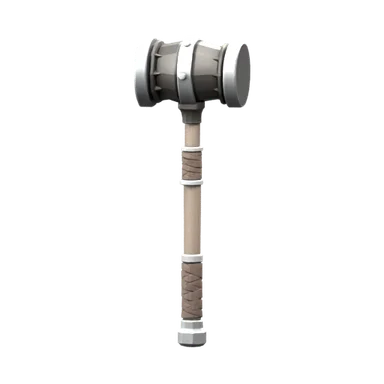
COMMON
14 Physical Damage
Strike
Paladin Skill: Censure
Paladin Skill: Smite

COMMON
0 Armor
0 Resistance
-2 Speed
Paladin: Guard heals ally 2% maximum HP.
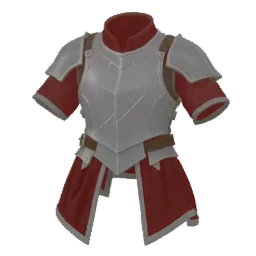
COMMON
+2 Armor
+1 Resistance
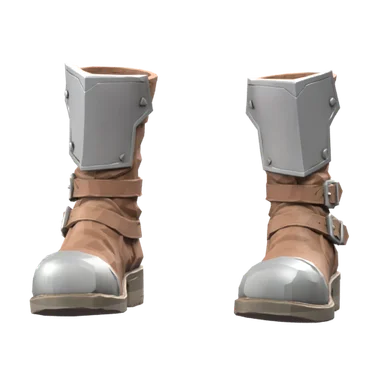
COMMON
+1 Armor
0 Resistance
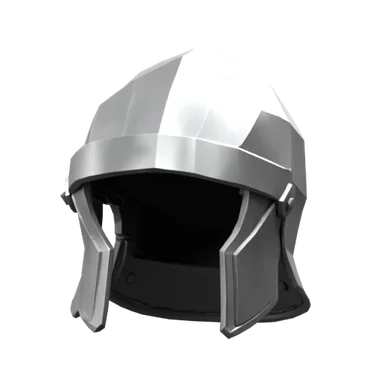
COMMON
+1 Armor
+1 Resistance
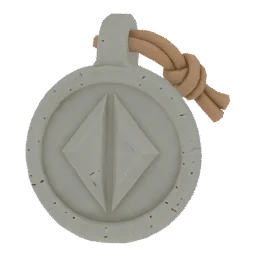
COMMON
+1 Vitality
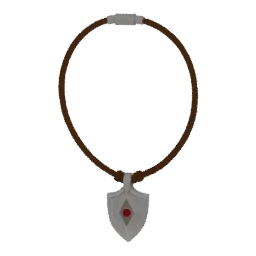
COMMON
+1 Resistance
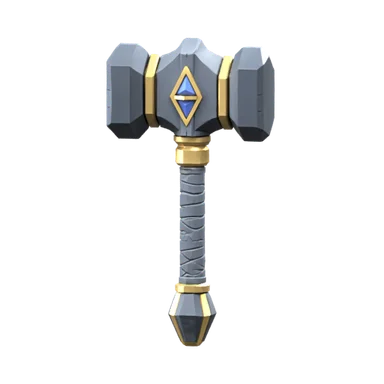
COMMON
16 Physical Damage
Strike
Paladin Skill: Censure
Paladin Skill: Smite
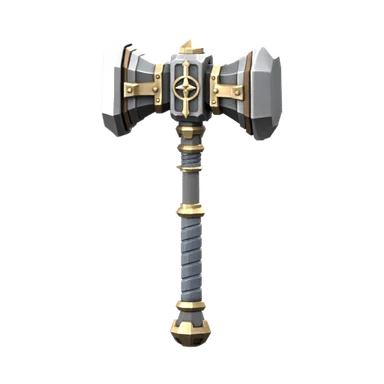
COMMON
21 Physical Damage
Strike
Paladin Skill: Censure
Paladin Skill: Smite

COMMON
0 Armor
0 Resistance
-2 Speed
Paladin: Guard heals ally 3% maximum HP.
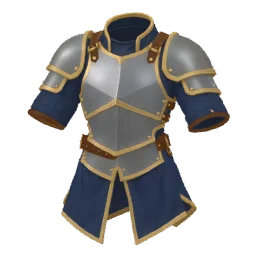
COMMON
+4 Armor
+2 Resistance
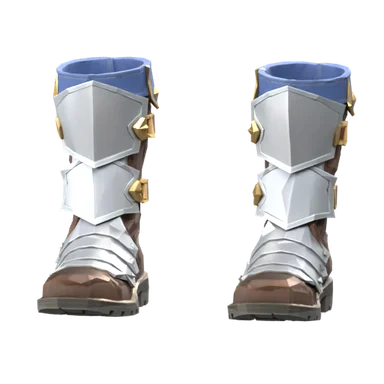
COMMON
+2 Armor
+1 Resistance

COMMON
+2 Armor
+1 Resistance

COMMON
+2 Vitality

COMMON
+1 Resistance
+1 Vitality
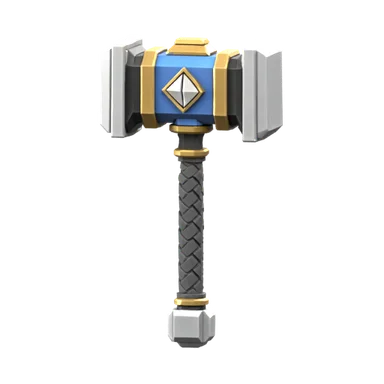
RARE
22 Physical Damage
Strike
Paladin Skill: Censure
Paladin Skill: Smite
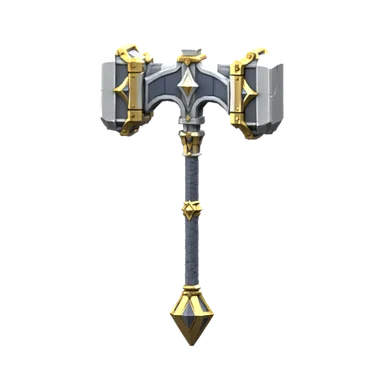
RARE
29 Physical Damage
Strike
Paladin Skill: Censure
Paladin Skill: Smite
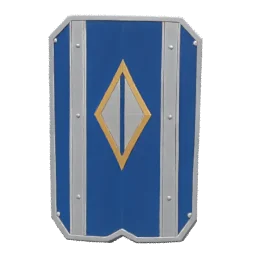
RARE
0 Armor
0 Resistance
-2 Speed
Paladin: Guard heals ally 4% maximum HP.

RARE
+6 Armor
+3 Resistance
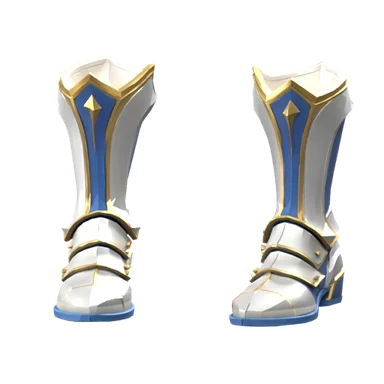
RARE
+3 Armor
+2 Resistance

RARE
+3 Armor
+2 Resistance

RARE
+1 Resistance
+2 Vitality

RARE
+2 Resistance
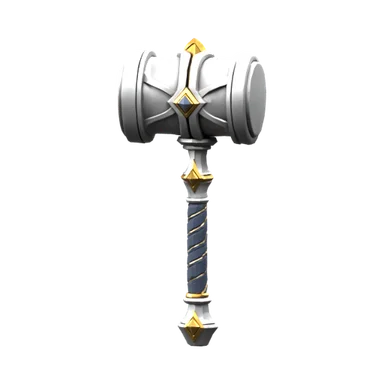
RARE
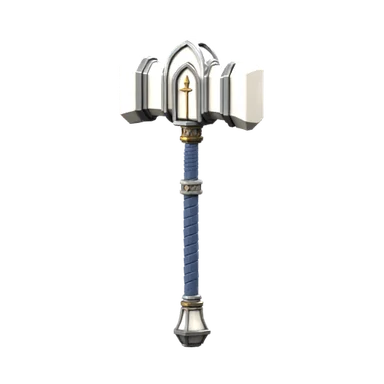
18 Physical Damage
Strike
Paladin Skill: Censure
Paladin Skill: Smite
Mercy (Paladin) 0/3 armor
Next: 2 armor
healing +12%
Full set: locked
Requires 3 matching armor pieces
Equip Hammer + Aegis or Great Hammer (empty offhand)
Guard bond: next focused Smite heals ally 15% max HP
RARE
22 Physical Damage
Strike
Paladin Skill: Censure
Paladin Skill: Smite
Mercy (Paladin) 0/3 armor
Next: 2 armor
healing +12%
Full set: locked
Requires 3 matching armor pieces
Equip Hammer + Aegis or Great Hammer (empty offhand)
Guard bond: next focused Smite heals ally 15% max HP

RARE
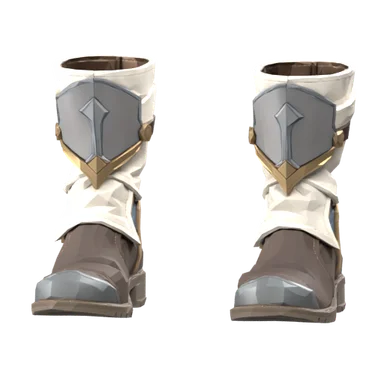
0 Armor
0 Resistance
-2 Speed
Mercy armament: requires all 3 matching armor pieces.
Complete with matching 2-handed hammer and empty offhand, or 1-handed hammer and shield.
Completion: bonded focused class Smite heals 15% instead of 12% ally maximum HP.

RARE
+4 Armor
+4 Resistance
+2 Vitality
Mercy: 2 matching armor pieces grant the minor role.
3 matching armor pieces grant the full core role, including its costs.
2-piece: 75% physical damage; 100% Smite damage; 112% healing; 50% Guard reduction.
3-piece: 65% physical damage; 160% Smite damage; 150% healing; 35% Guard reduction; Guard heals 6% ally maximum HP; Guard bonds one focused class Smite heal (12% on hit; attempt spends it).
Completion: bonded focused class Smite heals 15% instead of 12% ally maximum HP.
RARE
+2 Armor
+2 Resistance
+2 Vitality
Mercy: 2 matching armor pieces grant the minor role.
3 matching armor pieces grant the full core role, including its costs.
2-piece: 75% physical damage; 100% Smite damage; 112% healing; 50% Guard reduction.
3-piece: 65% physical damage; 160% Smite damage; 150% healing; 35% Guard reduction; Guard heals 6% ally maximum HP; Guard bonds one focused class Smite heal (12% on hit; attempt spends it).
Completion: bonded focused class Smite heals 15% instead of 12% ally maximum HP.

RARE
+2 Armor
+3 Resistance
+2 Vitality
Mercy: 2 matching armor pieces grant the minor role.
3 matching armor pieces grant the full core role, including its costs.
2-piece: 75% physical damage; 100% Smite damage; 112% healing; 50% Guard reduction.
3-piece: 65% physical damage; 160% Smite damage; 150% healing; 35% Guard reduction; Guard heals 6% ally maximum HP; Guard bonds one focused class Smite heal (12% on hit; attempt spends it).
Completion: bonded focused class Smite heals 15% instead of 12% ally maximum HP.

RARE
+1 Resistance

RARE
+2 Resistance
+1 Speed
RARE
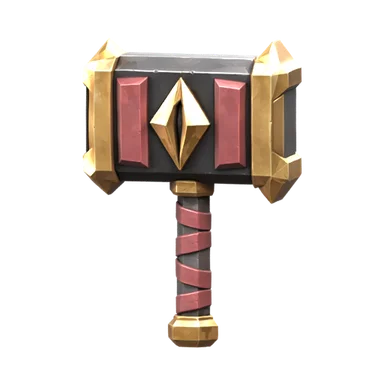
24 Physical Damage
Strike
+2 Speed
Paladin Skill: Censure
Paladin Skill: Smite
Censure (Paladin) 0/3 armor
Next: 2 armor
Physical hits deal 80% damage
Full set: locked
Requires 3 matching armor pieces
Equip Hammer + Aegis or Great Hammer (empty offhand)
Direct physical hits +20% vs set Armor debuff
RARE
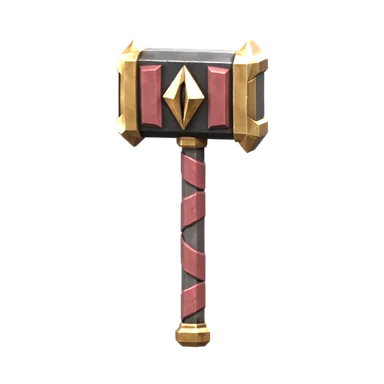
30 Physical Damage
Strike
+2 Speed
Paladin Skill: Censure
Paladin Skill: Smite
Censure (Paladin) 0/3 armor
Next: 2 armor
Physical hits deal 80% damage
Full set: locked
Requires 3 matching armor pieces
Equip Hammer + Aegis or Great Hammer (empty offhand)
Direct physical hits +20% vs set Armor debuff
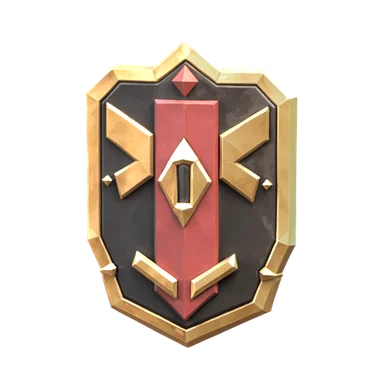
RARE
0 Armor
0 Resistance
-2 Speed
Censure armament: requires all 3 matching armor pieces.
Complete with matching 2-handed hammer and empty offhand, or 1-handed hammer and shield.
Completion: +20% qualifying physical damage against your own Censure Armor mark.
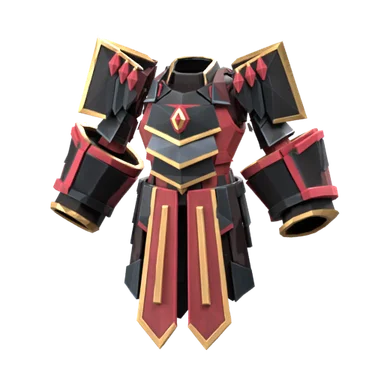
RARE
+4 Armor
+2 Resistance
+1 Speed
Censure: 2 matching armor pieces grant the minor role.
3 matching armor pieces grant the full core role, including its costs.
2-piece: 80% physical damage; 100% Smite damage; 100% healing; 50% Guard reduction.
3-piece: 100% physical damage; 50% Smite damage; 50% healing; 25% Guard reduction; Guard-reduced hit readies +50% next single-target physical attempt.
Completion: +20% qualifying physical damage against your own Censure Armor mark.
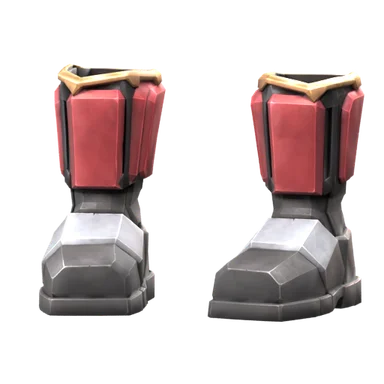
RARE
+1 Armor
+1 Resistance
+1 Speed
Censure: 2 matching armor pieces grant the minor role.
3 matching armor pieces grant the full core role, including its costs.
2-piece: 80% physical damage; 100% Smite damage; 100% healing; 50% Guard reduction.
3-piece: 100% physical damage; 50% Smite damage; 50% healing; 25% Guard reduction; Guard-reduced hit readies +50% next single-target physical attempt.
Completion: +20% qualifying physical damage against your own Censure Armor mark.
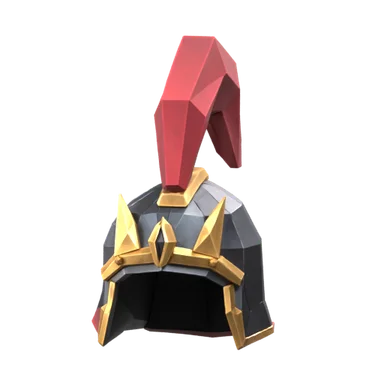
RARE
+2 Armor
+1 Resistance
+1 Speed
Censure: 2 matching armor pieces grant the minor role.
3 matching armor pieces grant the full core role, including its costs.
2-piece: 80% physical damage; 100% Smite damage; 100% healing; 50% Guard reduction.
3-piece: 100% physical damage; 50% Smite damage; 50% healing; 25% Guard reduction; Guard-reduced hit readies +50% next single-target physical attempt.
Completion: +20% qualifying physical damage against your own Censure Armor mark.

RARE
+1 Speed
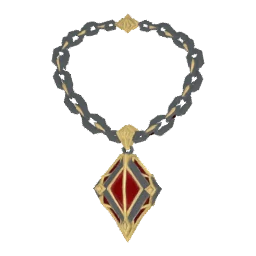
RARE
+2 Speed
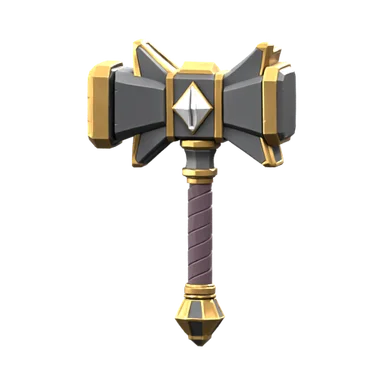
RARE
20 Physical Damage
Strike
Paladin Skill: Censure
Paladin Skill: Smite
Verdict (Paladin) 0/3 armor
Next: 2 armor
Guard retaliates for 1 damage
Full set: locked
Requires 3 matching armor pieces
Equip Hammer + Aegis or Great Hammer (empty offhand)
Guard wards direct-hit Poison, Stun, Daze, Curse
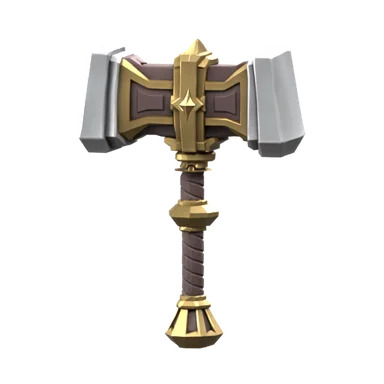
RARE
26 Physical Damage
Strike
Paladin Skill: Censure
Paladin Skill: Smite
Verdict (Paladin) 0/3 armor
Next: 2 armor
Guard retaliates for 1 damage
Full set: locked
Requires 3 matching armor pieces
Equip Hammer + Aegis or Great Hammer (empty offhand)
Guard wards direct-hit Poison, Stun, Daze, Curse

RARE
0 Armor
0 Resistance
-2 Speed
Verdict armament: requires all 3 matching armor pieces.
Complete with matching 2-handed hammer and empty offhand, or 1-handed hammer and shield.
Completion: Guard wards Poison, Stun, Daze, and Curse on qualifying hits.

RARE
+7 Armor
+5 Resistance
-2 Speed
Verdict: 2 matching armor pieces grant the minor role.
3 matching armor pieces grant the full core role, including its costs.
2-piece: 75% physical damage; 100% Smite damage; 100% healing; 50% Guard reduction; 1 Guard retaliation damage.
3-piece: 60% physical damage; 50% Smite damage; 75% healing; 50% Guard reduction; 1 Guard retaliation damage.
Completion: Guard wards Poison, Stun, Daze, and Curse on qualifying hits.
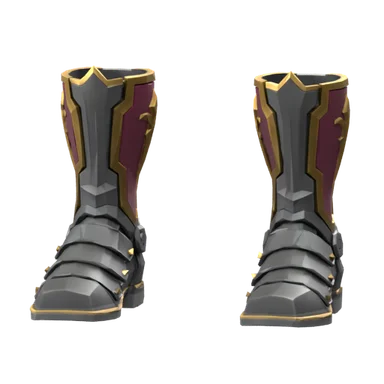
RARE
+3 Armor
+3 Resistance
-1 Speed
Verdict: 2 matching armor pieces grant the minor role.
3 matching armor pieces grant the full core role, including its costs.
2-piece: 75% physical damage; 100% Smite damage; 100% healing; 50% Guard reduction; 1 Guard retaliation damage.
3-piece: 60% physical damage; 50% Smite damage; 75% healing; 50% Guard reduction; 1 Guard retaliation damage.
Completion: Guard wards Poison, Stun, Daze, and Curse on qualifying hits.

RARE
+4 Armor
+4 Resistance
-1 Speed
Verdict: 2 matching armor pieces grant the minor role.
3 matching armor pieces grant the full core role, including its costs.
2-piece: 75% physical damage; 100% Smite damage; 100% healing; 50% Guard reduction; 1 Guard retaliation damage.
3-piece: 60% physical damage; 50% Smite damage; 75% healing; 50% Guard reduction; 1 Guard retaliation damage.
Completion: Guard wards Poison, Stun, Daze, and Curse on qualifying hits.
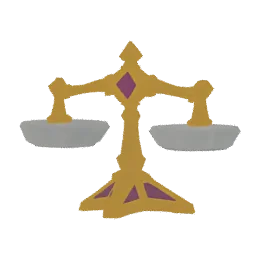
RARE
+2 Armor
+3 Resistance
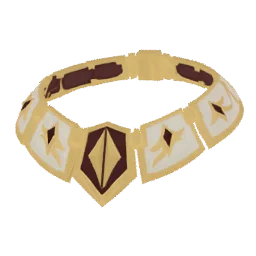
RARE
+3 Resistance
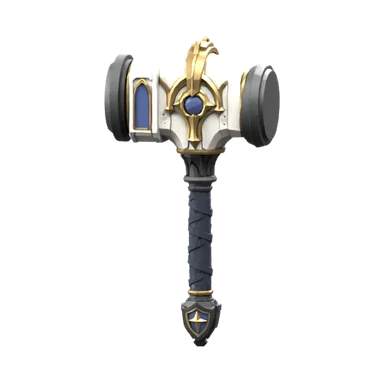
ARTIFACT
19 Physical Damage
Strike
Paladin Skill: Censure
Paladin Skill: Smite
Paladin only:
First reduced hit per Guard:
restore 1 Focus to guarded ally.
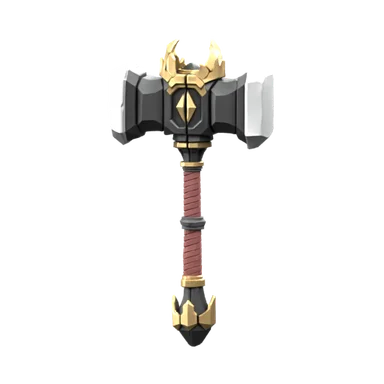
ARTIFACT
28 Physical Damage
Strike
Paladin Skill: Censure
Paladin Skill: Smite
Paladin only:
Guarded hit readies Reckoning:
+50% next single-target hammer hit.
Spent on attempt; expires next turn end.

ARTIFACT
0 Armor
0 Resistance
-4 Speed
Paladin: Guard removes one eligible condition.
No items match. Try another search, tier, or slot.